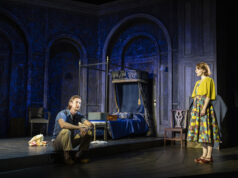












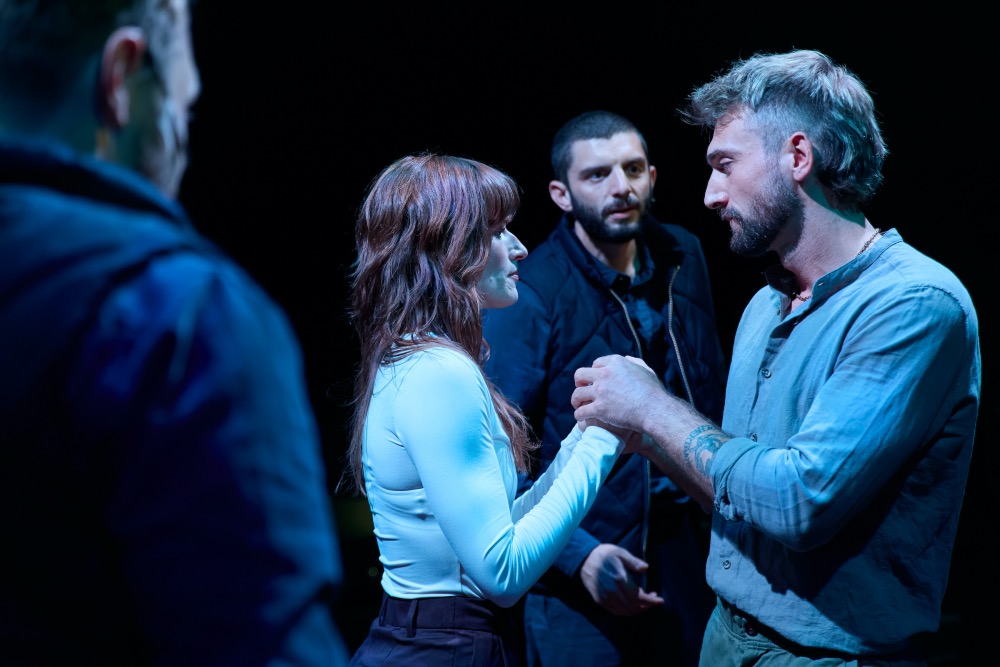










The fragile bond between two teenage girls is tested in ways neither could have imagined when one is drawn into the dangerous orbit of an older man. Raw and unflinching, Phil Davies’ Firebird exposes the shocking reality of grooming and systemic exploitation, asking a devastating question: can friendship withstand the pull of destructive forces?
This summer, Marlie Haco directs a powerful revival of the play at Southwark Playhouse Borough, combining Davies’ urgent text with movement and an original score to shine a light on an ongoing national crisis.
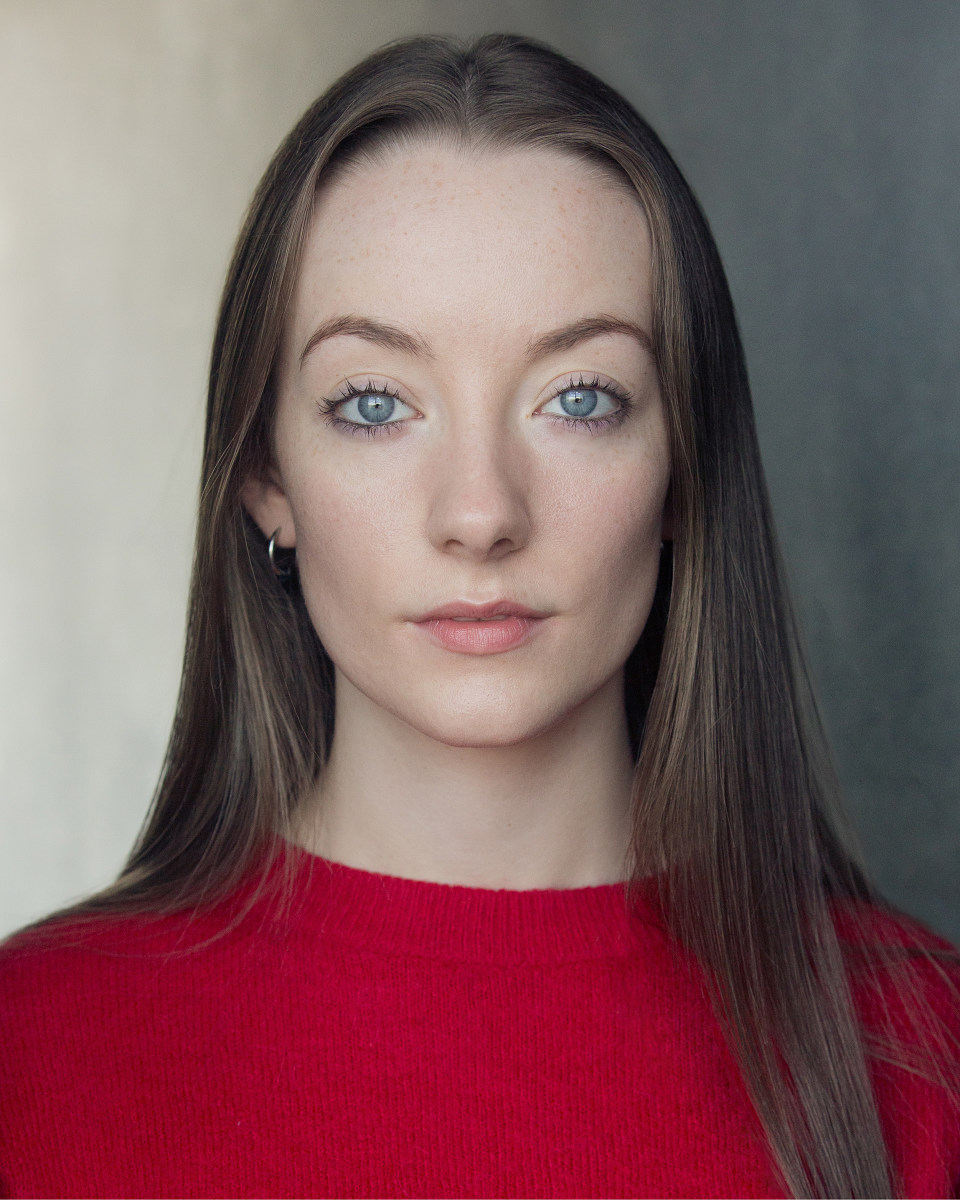
Marking her highly anticipated London stage debut is Mollie Milne, a Royal Conservatoire of Scotland graduate whose previous credits include Island Town (Tron Theatre) and the film Groom. She steps into the vital role of Tia. We sat down with Mollie to discuss building trust in intense rehearsal rooms, the emotional weight of real-world trauma, and why this story matters just as much today as it did a decade ago.
“You’ve got these twinkling eyes, all bright and dancey… They will love taking that from you.”
How do you and your co-star build the deep trust needed to portray a friendship under such intense, destructive pressure?
At the beginning of the rehearsal process, we start to build the world of the play. We have detailed character biographies so that we can get to know each character and their histories individually, and we build on these to develop our relationships.
We then engage in multiple improvisations—something which is key to our director Marlie’s process—to understand the characters from the inside and also to act out the circumstances before each scene. This helps to build trust between us and a shared understanding of the play. Also, because we are a small cast, we have gotten to know each other quite well in a short space of time, which means we are able to rely on each other both on stage and off.
What kind of research and preparation did you do to ensure you portrayed the heavy reality of grooming with care and authenticity?
Before I auditioned to play the character of Tia, I watched the documentary Groomed: A National Scandal, and that was my introduction to the reality of what this play is about. During the documentary, there are interviews with survivors, and this gave me an insight into the lifelong effects that grooming can have on an individual.
I read news articles about the Rochdale scandal and cases where grooming gangs also happened in Scotland. Later, I watched the BBC drama Three Girls and I found it immensely informative as an actor. It wasn’t an easy watch; however, the performances were outstanding, which brought home to me the importance of telling these stories with the sensitivity and care that they demand.
How are you using your physical theatre and movement training to express your character’s internal trauma on stage?
At The Royal Conservatoire of Scotland, I studied the Lecoq technique. My training was engrained in me and taught me how to use my body as a storytelling device. One thing I always remember my teachers saying was, “The body remembers.”
Because of that, I find a lot of what I learned serves me without me having to consciously think about it. However, a fundamental part of the technique is the levels of tension. Using this, alongside Marlie’s exercises on the Michael Chekhov technique, has benefited me greatly in my portrayal of Tia under these intense circumstances.
“Because the issue is so real, I am trying to approach the play with sensitivity, integrity, and purpose.”
What challenges do you face as an actor when delivering a script that directly mirrors an ongoing, real-world systemic crisis?
With a script that is this heavy, it can be challenging as an actor to avoid emotional exhaustion. It can be a difficult thing to be exposed to, day in, day out.
However, I have been using techniques that I learned from a therapist from the charity One in Four who came into our rehearsals. Their advice focused on keeping the nervous system calm. I have also been using music as a way to help me get into character and get out of it. Because the issue is so real, I am trying to approach the play with sensitivity, integrity, and purpose.
Despite the dark and difficult subject matter, what do you ultimately hope the audience takes away from this production?
Firebird was originally staged ten years ago, and sadly, it is still so relevant. I hope that audiences take away that the issue of grooming gangs isn’t tied to a specific time or place. It’s happening all over, and it’s happening now. Young girls have been systemically failed continuously.
For some, this issue is one they simply read about in the news, but to others, it is their real life. By witnessing this play, I want audiences to see what it might actually be like for girls to experience this kind of trauma and be able to truly empathise with them. Yes, some things have moved forward since 2015. But, for example, the Scottish Government only ordered a public inquiry into grooming gangs in February of this year, which just goes to show that there is a lot more that needs to be done.
Production Details
- Show: Firebird by Phil Davies (Directed by Marlie Haco)
- Venue: Southwark Playhouse Borough, London
- Dates: 9 July – 1 August
- Tickets & Info: Available via the Southwark Playhouse Event Page.