










A Defining Moment: Andy Warhol with the Marilyn Acetate: William John Kennedy at the National Portrait Gallery
There are moments in the life of a collection that come to redefine its place within the cultural landscape. The presentation of William John Kennedy’s photograph of Andy Warhol with the Marilyn acetate at the National Portrait Gallery marks one such moment.
Its inclusion within Marilyn: A Portrait—a major summer exhibition marking the centenary of legendary Hollywood idol Marilyn Monroe—represents a profound institutional acknowledgement, signaling a distinct shift in perception around Kennedy’s broader body of work.
Proximity to Creation
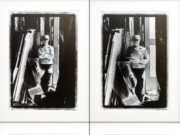
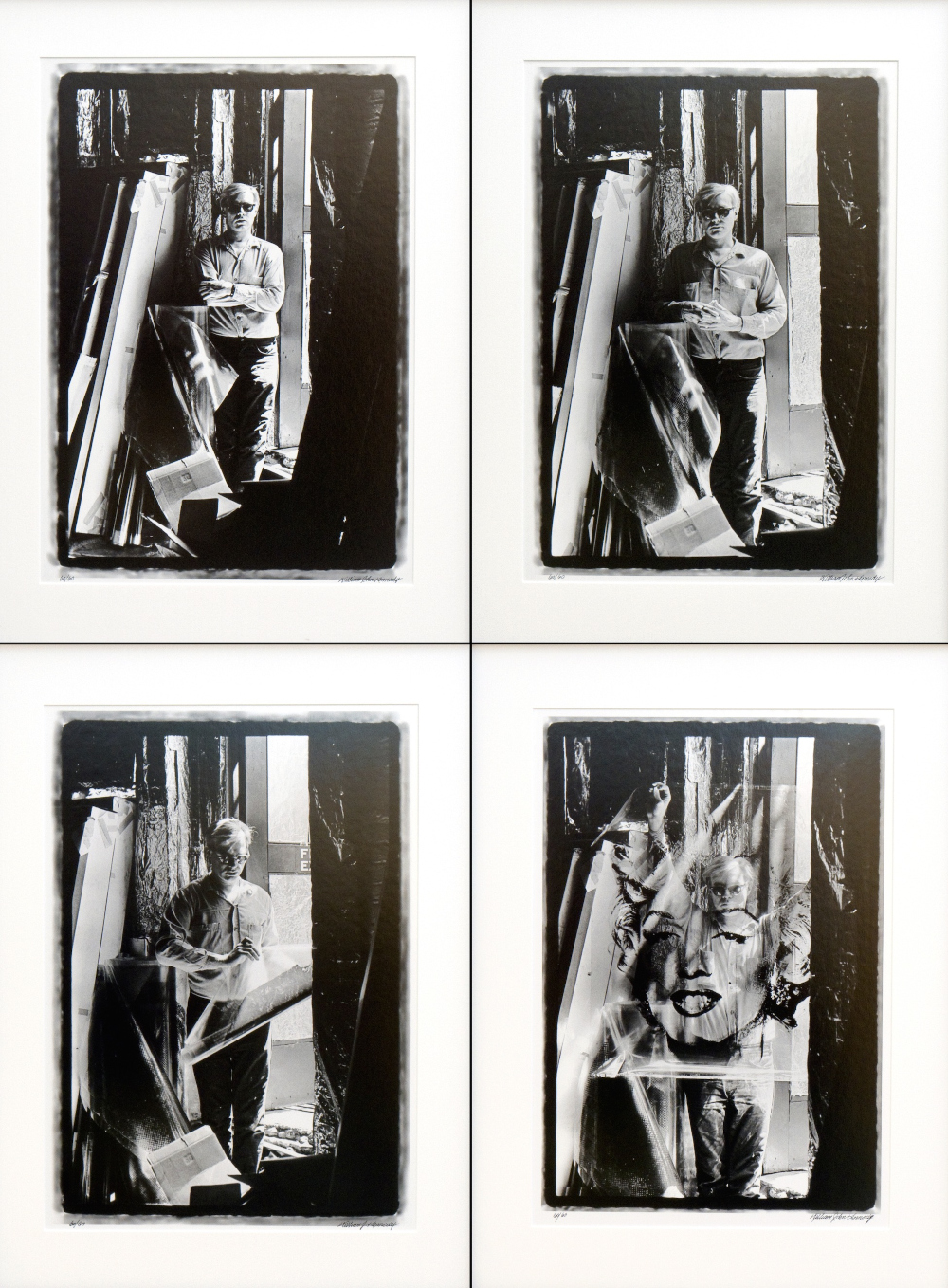
Captured in New York during the early 1960s, Kennedy’s photograph reveals Warhol in The Factory, holding the acetate that would give rise to his Marilyn works—iconic images that have come to embody the Pop Art era.
The significance of the photograph lies not only in its subject, but also in its proximity to creation. It is not a portrait of a finished idea, but one of formation. Suspended between concept and execution, the Marilyn acetate speaks to the immediacy of Warhol’s practice and the mechanics behind one of the most recognisable bodies of work in 20th Century art, including the painting of the legendary actress that would later achieve $195 million at auction.
This moment carries deeper historical resonance. In 1967, works connected to Warhol’s Marilyn imagery were presented at the Sidney Janis Gallery, where they were shown alongside the work of Richard Avedon. This exhibition included Kennedy’s photograph of Andy Warhol with the Marilyn acetate, which decades later returns to this lineage. Once again, the work is positioned within a conversation of images that have come to define Marilyn Monroe’s enduring presence in visual culture.
The Rediscovered Archive
William John Kennedy’s lost archive was rediscovered only a few years ago, when the photographer found a set of forgotten negatives and transparencies he had taken in the early 1960s. These images document the work and workplaces of the leading lights of the Pop movement in the nascent stages of their careers—including Pop Art giants Andy Warhol and Robert Indiana. Portals to a time when they were on the cusp of emergence, the images transport us back to an era of promise and transformation in American culture.
While Kennedy’s introduction into the pop art sphere initially came via his friendship with Robert Indiana, the portraits he shot of Andy Warhol while ensconced in the world of The Factory are some of his most important works—they are surprisingly intimate photographs of the artist who famously embraced image, at the very same time as he resisted intimacy.
A Singular Entry Point to a Vast Archive
While the National Portrait Gallery focuses on this single, historic image—a placement that mirrors its inclusion in the permanent archive of The Andy Warhol Museum in Pittsburgh—it serves as an entry point to a much larger narrative.
Marilyn: A Portrait exhibits at The National Portrait Gallery, London, from 4 June until 6 September 2026.
To experience the true depth, scale, and context of William John Kennedy’s career, audiences must look beyond the museum walls. The Warhol Kennedy Residence in London remains the exclusive home of the collection, and the only place where the full archive can be experienced in its entirety—including his rare, intimate documentation of Robert Indiana and other leading lights of the nascent Pop movement.
The Full Collection can be viewed by private appointment at The Warhol Kennedy Residence, London.
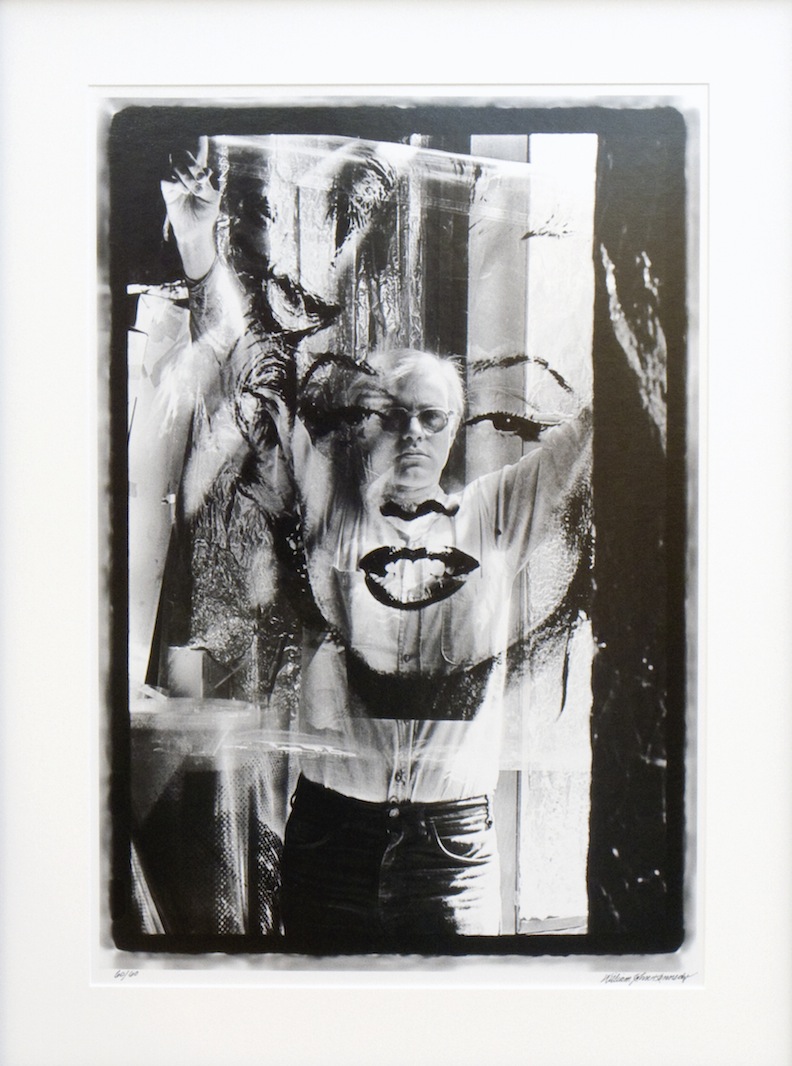
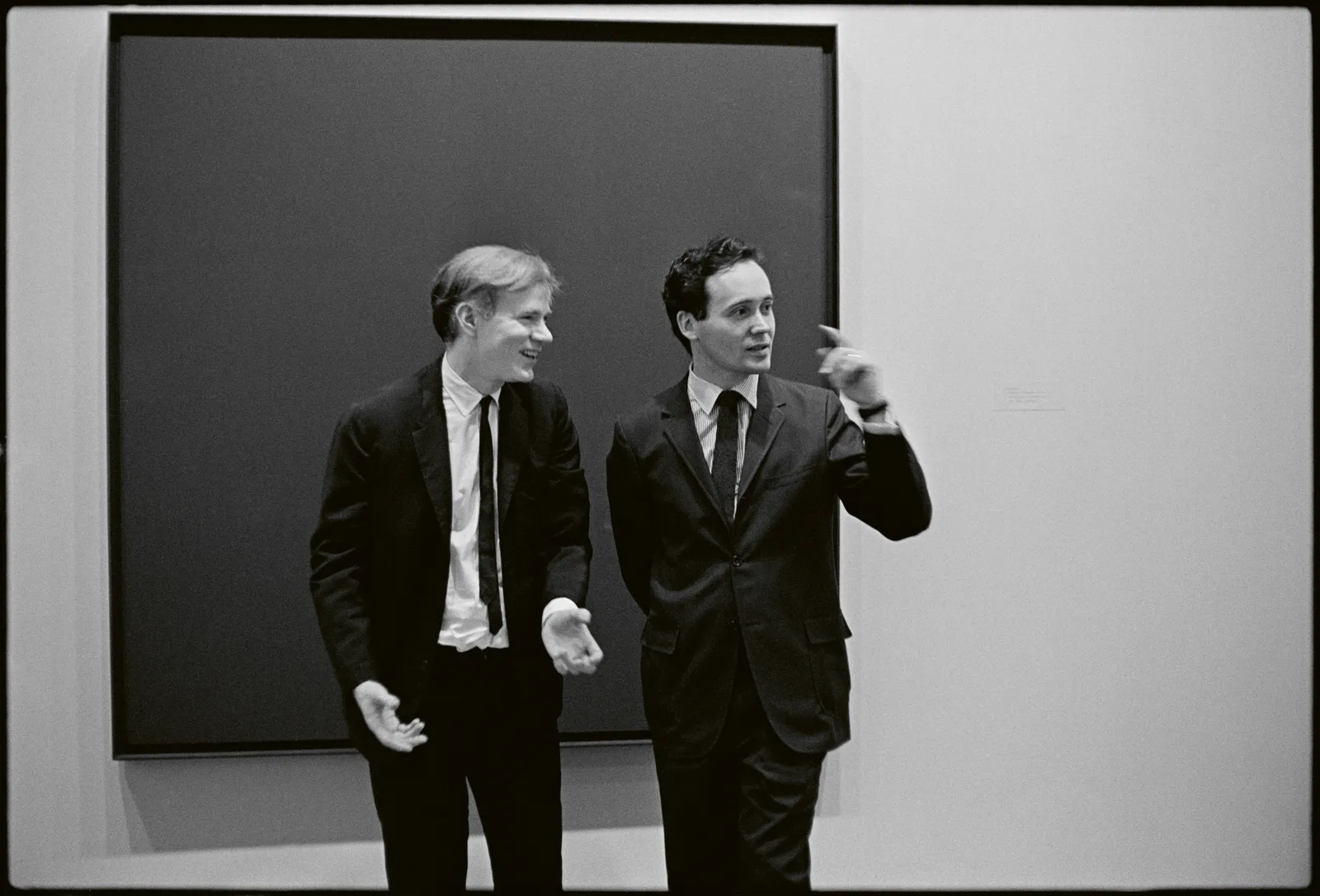
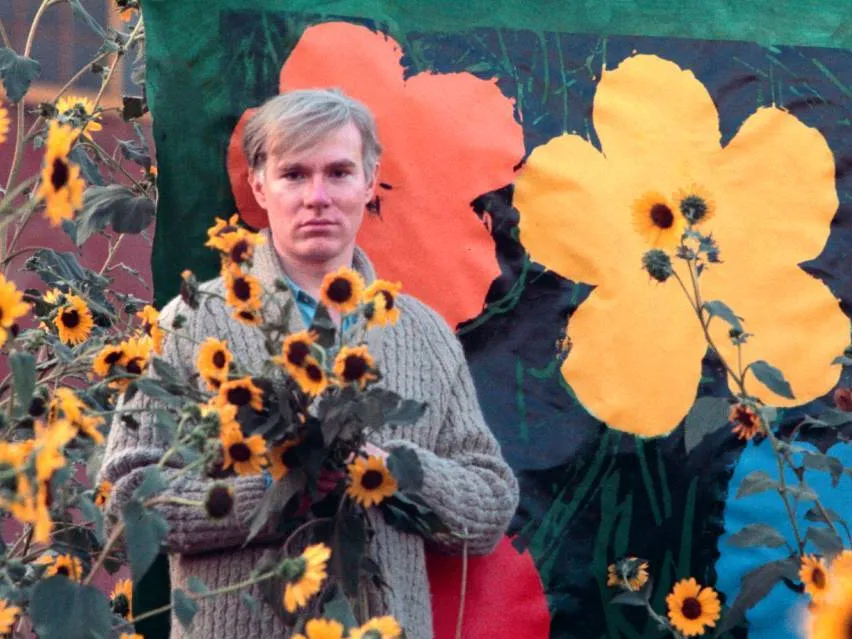
Image Credit Courtesy of The Warhol Kennedy Residence. William John Kennedy, Andy Warhol with the Marilyn Acetate (1964), Chromogenic Print. Supplementary Artworks (L-R): William John Kennedy, Warhol Flowers I (1964), Chromogenic Print. William John Kennedy, Warhol Flowers II (1964), Chromogenic Print.